
Table of Contents
ToggleA guest bedroom shouldn’t be an afterthought, it’s where visitors form their impression of your hospitality. Whether the room sits empty most of the year or doubles as a home office, a well-planned guest space balances comfort with function. The key isn’t expensive furniture or trendy Pinterest boards: it’s understanding the practical needs of overnight guests and addressing them with smart design choices. From proper bedding to adequate lighting, creating a welcoming retreat involves a mix of essential elements and thoughtful details that work within your space and budget.
Key Takeaways
- A comfortable guest bedroom starts with essential elements: a quality mattress, proper layered lighting, a nightstand, temperature control, and adequate storage—not expensive furnishings.
- Smart guest bedroom ideas for small spaces prioritize multifunctional furniture like daybeds, wall-mounted nightstands, and platform beds with storage to maximize floor space without cramping.
- Warm-toned lighting (2700-3000K bulbs), neutral paint colors, and layered window treatments create a cozy atmosphere while making rooms feel larger and brighter.
- Guest bedroom storage signals hospitality: dedicate closet space, provide matching hangers, and stock shared bathrooms with basics like spare toothbrushes and toiletries in labeled baskets.
- Budget-friendly updates like fresh paint ($25-45), hardware swaps ($40-80), and textile changes ($150-300) deliver high-impact transformations without major renovation costs.
- Dual-purpose designs like daybed-plus-office layouts or removable closet systems make guest bedrooms functional year-round while sitting empty most of the year.
Essential Elements Every Guest Bedroom Needs
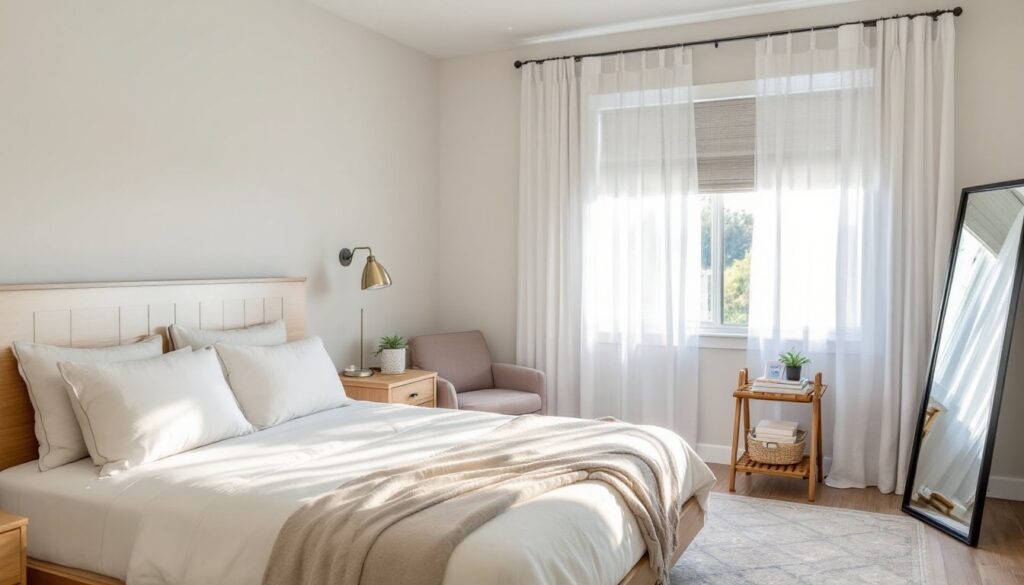
Every functional guest bedroom starts with a comfortable mattress and quality bedding. Skip the hand-me-down twin mattress with springs poking through, guests notice. A full or queen-size mattress with medium-firm support suits most sleepers. Invest in a mattress protector, two pillows per person (one firm, one soft), and bedding with a minimum 300-thread-count cotton or linen blend.
Lighting needs to be layered. Install a ceiling fixture or floor lamp for general illumination, plus bedside lamps or wall-mounted sconces for reading. Aim for 40-60 watts equivalent (LED) at bedside level. Include a dimmer switch if possible, code doesn’t require it for bedrooms, but it’s a practical upgrade that takes 15 minutes with a screwdriver.
Provide a place to put things down. A nightstand on at least one side of the bed is non-negotiable. Add a luggage rack or a cleared-off bench at the foot of the bed. Guests shouldn’t live out of a suitcase on the floor. If space allows, include a small chair or reading nook, it signals the room is theirs to use, not just sleep in.
Temperature control matters more than most homeowners realize. If the room lacks individual climate control, add a portable fan and an extra blanket in the closet. Blackout curtains or cellular shades help guests sleep past sunrise, and they improve insulation year-round.
Space-Saving Solutions for Small Guest Bedrooms
Small guest bedroom ideas hinge on furniture that doesn’t overwhelm the footprint. A standard queen bed frame is 60 inches wide: in a 10×10-foot room, that leaves just 24 inches on each side if centered. Consider a full-size bed (54 inches wide) or even a daybed that doubles as seating during the day. Platform beds with built-in storage drawers eliminate the need for a separate dresser.
Wall-mounted nightstands and floating shelves reclaim floor space while providing function. A narrow wall-mounted folding desk (12-16 inches deep when closed) gives guests a work surface without the bulk of a traditional desk. These typically mount to studs with 3-inch wood screws and can support 30-50 pounds depending on the model.
Vertical storage is your ally in tight quarters. Install closet organizers with double hang rods to maximize hanging space. Use the area above the door for a shallow shelf, it’s dead space otherwise. A over-the-door hook rack handles robes, bags, and jackets without requiring wall penetration.
Mirrors expand perceived space and add function. A full-length mirror can mount to the back of the door or directly to wall studs with D-ring hangers and appropriate anchors. Position it to reflect natural light from windows, which brightens the room and makes it feel larger. For ideas for small guest bedrooms, focus on multifunctional pieces and eliminating visual clutter rather than cramming in too much furniture.
Color Schemes and Lighting That Create a Cozy Atmosphere
Cozy small guest bedroom ideas often start with color choices that make the space feel intentional. Neutral bases, warm whites, soft grays, or greiges, provide flexibility for accent colors in bedding and decor. These shades reflect light better than saturated colors, which matters in smaller or poorly-lit rooms. One gallon of quality paint covers approximately 350-400 square feet and typically requires two coats for even coverage.
If neutrals feel bland, add warmth through textiles and wood tones rather than paint. A textured throw blanket, layered bedding, or a wool area rug introduces depth without commitment. Warm-toned wood furniture or bamboo blinds soften the overall palette. Cool-toned grays pair well with brass or gold fixtures: warm grays work better with oil-rubbed bronze or matte black hardware.
Lighting temperature affects mood as much as color does. Use 2700-3000K bulbs (warm white) in bedside lamps and ambient fixtures to create a relaxed atmosphere. Reserve daylight bulbs (5000K+) for task lighting in closets or reading areas. Install dimmer switches on overhead lights, it’s a simple swap that requires matching the dimmer type to your bulb (LED-compatible dimmers are necessary for LED bulbs).
Natural light control is equally important. Layered window treatments, sheers for daytime privacy plus blackout cellular shades or lined curtains, let guests adjust light levels. If installing new curtain rods, mount them 4-6 inches above the window frame and extend brackets 8-12 inches beyond the frame on each side. This makes windows appear larger and allows curtains to clear the glass when open.
Storage and Organization Ideas for Guest Comfort
Proper storage in a guest bedroom decor scheme signals that guests are expected and welcome. Clear at least two feet of closet rod space and provide 5-10 matching hangers, not the wire ones from the dry cleaner. Add a small set of drawers or dedicate two drawers in an existing dresser. Guests need somewhere to put underwear and pajamas without feeling like they’re invading your storage.
Basket storage works well for spare bedroom decor ideas because it’s flexible and inexpensive. Use labeled baskets on closet shelves for extra toiletries, charging cables, or seasonal items. A bedside basket can hold magazines, a water carafe, and a small flashlight in case of power outages.
Built-in solutions add value if you’re planning to stay in the home long-term. A simple closet organizer kit (available at home centers for $75-150) installs in a weekend with a drill, level, and stud finder. These systems typically include adjustable shelving, double hang rods, and shoe racks. For a custom look without custom cost, paint the closet interior in a semi-gloss finish, it reflects light and wipes clean.
Don’t overlook bathroom access. If guests share a hall bathroom, dedicate a drawer or shelf for their toiletries. Provide a caddy they can carry between bedroom and bath. Stock basics they might forget: spare toothbrush, travel-size shampoo, facial tissues, and a box of pain reliever. Keep these in a labeled basket under the bathroom sink or in the guest room closet. Some homeowners draw inspiration from guest bedroom styling guides when planning storage that’s both functional and attractive.
Budget-Friendly DIY Updates to Refresh Your Guest Room
Simple guest bedroom ideas often deliver the biggest impact per dollar spent. Start with a fresh coat of paint, it’s the most cost-effective update available. Prep work matters: fill nail holes with lightweight spackling compound, sand smooth with 120-grit sandpaper, and prime any patches before painting. Use painter’s tape along trim and ceiling edges for clean lines. Most bedroom accent walls require less than a gallon of paint, running $25-45 depending on brand and finish.
Update hardware for an immediate visual refresh. Swap builder-grade door knobs, drawer pulls, and closet rods for brushed nickel, matte black, or brass alternatives. Measure existing hole spacing (most drawer pulls use 3- or 3.75-inch center-to-center spacing) to avoid drilling new holes. A full bedroom hardware update typically costs $40-80 and takes less than an hour with a screwdriver.
DIY headboards add character without custom furniture prices. A simple upholstered headboard uses ½-inch plywood cut to size, 2-inch foam, batting, and fabric stapled to the back. Mount it to the wall with French cleats or Z-clips rated for the weight. Alternatively, create a board-and-batten or planked wood headboard using 1×6 or 1×8 pine boards attached directly to studs. Sand, prime, and paint before installation.
Textile updates change the room’s feel instantly. New curtains, a layered bedding set, and an area rug can transform a space for $150-300. Look for washable cotton or linen blends that hold up to repeated guest use. An area rug should extend at least 18-24 inches beyond each side of the bed, in a small room, a 5×7 or 6×9 rug usually fits. Experts at small space design sites often recommend focusing budget on bedding quality over decorative accessories.
Multi-Purpose Guest Bedroom Designs That Work Year-Round
Most guest bedrooms sit empty 80-90% of the year, making dual-purpose designs practical. A Murphy bed or wall bed reclaims floor space when not in use, though quality mechanisms run $1,000-3,000 installed. DIY Murphy bed kits lower costs but require intermediate carpentry skills, a drill, level, and the ability to locate and fasten into wall studs safely. Ensure your wall can handle the weight, most Murphy beds weigh 200-300 pounds and require attachment to studs in a load-bearing wall.
A simpler approach combines a daybed with a home office setup. Position a twin or full daybed against one wall with a desk on the opposite side. Use a 42-inch-deep room minimum for this layout to maintain a walkable path between furniture. Add a room divider or bookshelf to visually separate work and sleep zones without permanent construction.
Foldable or nesting furniture maintains flexibility. A drop-leaf desk folds flat when not needed. Nesting tables serve as nightstands for guests, then tuck away as a single stack. A storage ottoman provides seating, a footrest, and hidden storage for bedding between visits.
Closet configurations can shift based on use. Install a removable closet rod and shelf unit that lifts out to make room for office supplies, hobby storage, or seasonal items. When guests arrive, swap the contents back to hanging space. Use clear storage bins labeled for quick changeovers.
Elegant guest bedroom ideas don’t require dedicating the room solely to overnight visitors. For more approaches to balancing style and function, designer-curated bedroom concepts showcase how professionals layer purposes without sacrificing aesthetics. The key is furniture that transitions easily and storage systems that accommodate both daily use and guest visits.
Conclusion
A well-executed guest bedroom balances comfort, function, and realistic budget. Focus on the fundamentals, quality bedding, adequate lighting, and sufficient storage, before worrying about decorative flourishes. Small spaces benefit from multi-purpose furniture and vertical storage, while color and lighting choices shape the room’s atmosphere without major construction. Most updates require basic tools and intermediate DIY skills, though structural changes or electrical work may need professional assessment or permits depending on local codes.